Which Spring Flowers Are Safe for Dogs Indoors?
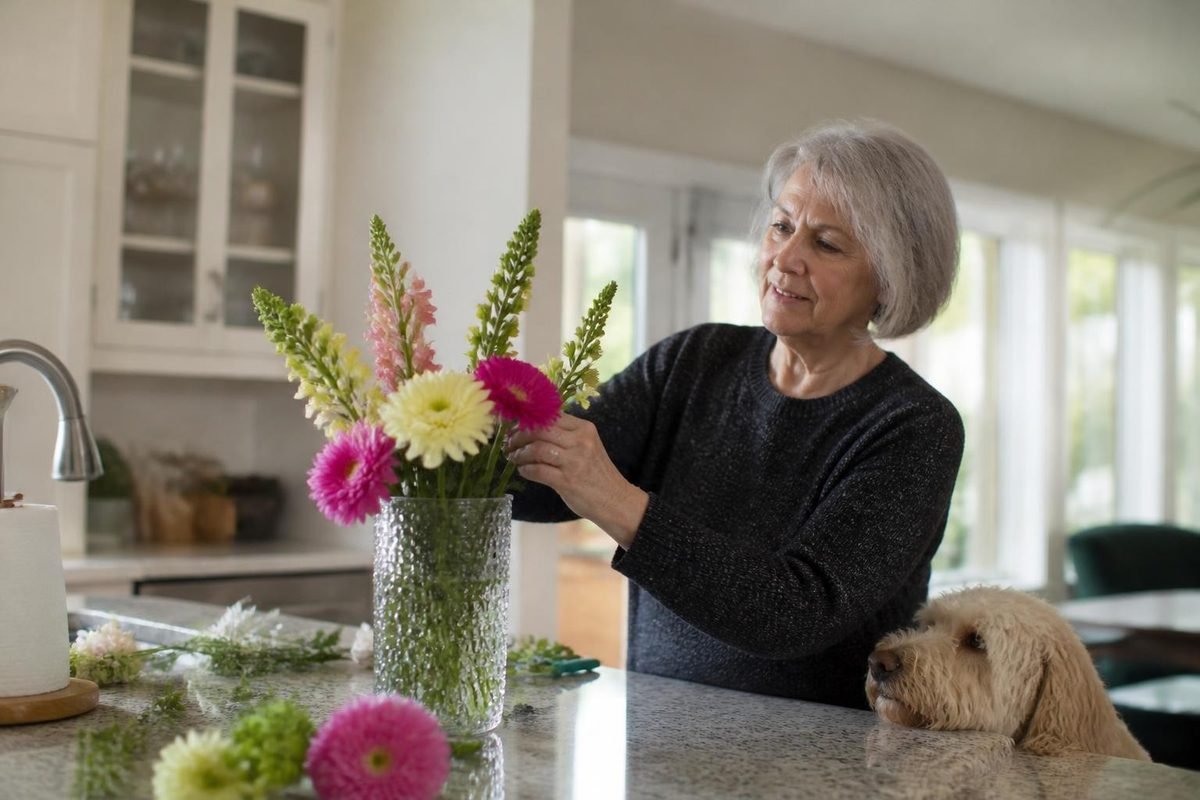
Gerbera daisies, snapdragons, freesias, roses and moth orchids are among the flowers considered non toxic to dogs and suitable for indoor arrangements. Even so, keep bouquets out of reach, since eating any plant material can upset a dog's stomach.
Spring flowers to choose
Look for these flowers by name when putting together a vase or choosing a flowering houseplant. Common names can be confusing, so check the botanical name if you are unsure what you have.
- Gerbera daisies: These broad, colorful flowers are non toxic to dogs. Look for Gerbera species.
- Snapdragons: Antirrhinum majus has tall stems with flowers clustered along them and is non toxic to dogs.
- Freesias: Freesia species offer fragrant, trumpet shaped flowers and are non toxic to dogs.
- Roses: Rosa species are non toxic to dogs, though their thorns can cause injuries.
- Moth orchids: Phalaenopsis species are non toxic to dogs and can flower indoors for weeks.
Remove rose thorns before arranging the stems, and pick up any fallen petals or leaves. A dog that chews plants may still have vomiting or diarrhea, even after eating a flower that is not poisonous.
Check every stem in a mixed bouquet. A few safe flowers do not make the whole arrangement safe, and decorative greenery may be a different plant altogether. If you cannot identify a stem, keep it away from your dog until you can.
Flowers to avoid and vase habits
Daffodils, tulips and hyacinths are common spring flowers that are toxic to dogs. Their bulbs contain higher concentrations of toxic substances than other parts of the plants. Keep cut flowers and bulbs out of reach, and take care with pots waiting to be planted.
Place arrangements on a stable surface your dog cannot reach or knock over. Vase water can collect plant debris and may contain flower food, so do not let your dog drink it. Empty and wash the vase regularly, and store packets of flower food securely.
Watch for dropped stems when trimming a bouquet. Put scraps straight into a covered bin rather than leaving them on a low table or floor. This matters especially with thorny stems and flowers you have not identified.
If your dog eats a flower you suspect is toxic, contact your veterinarian promptly. Have the plant name, the amount eaten and the time of exposure ready if you know them. Do not induce vomiting unless a veterinarian tells you to.
Questions about flowers and dogs
Can my dog sniff a safe flower?
A brief sniff is generally less concerning than chewing or swallowing a plant. Supervise closely if your dog tends to bite flowers, and move the arrangement if it draws too much interest.
Are all daisies safe for dogs?
No. The word daisy is used for different plants, so do not rely on the common name alone. Gerbera daisies are non toxic to dogs, but other plants called daisies may not be.
A good companion read: more details